Skip to content


In this article 5 sections
Everyone keeps telling you it is a terrible time to be an artist. The market is dead, galleries are closing, nobody is buying. You hear it at private views, in comment sections and from well meaning relatives who think you should get a proper job. And if you hear something often enough, you start to believe it.
I want you to look at what the numbers actually say, because they point in the opposite direction. For an emerging artist, this might be the best time in history to be making and selling work. I first talked about this in a video on Instagram, and the reaction told me how deeply the doom story has sunk in. So here is the longer version, with what it means for you and what to do about it.
Is it a good time to be an artist right now?
Yes, and the reason is in where the money is moving. The global art market is worth over six hundred billion dollars, and it is still growing. That headline figure on its own does not help you much, because most people assume the growth is happening at the top, in auction rooms where a single painting sells for more than a house.
It is not. The real growth is at the affordable end of the market, exactly where most of us sell. Sales of work priced under a few thousand are up. Small independent sellers are up seventeen percent in a year. And more artists are selling their work now than at any point in history.
Read that again slowly. The part of the market that is growing is the part you are already in. You do not need to break into the million pound tier to benefit. You need to show up in the tier where people are buying a painting for their living room, their first flat or their partner’s birthday.
What this means in practice
Stop treating your prices as an apology. If buyers are actively spending at the level where emerging artists sell, then a well priced original at a few hundred or a few thousand is not a compromise. It is the heart of a growing market. Price consistently, publish your prices where people can see them, and make it easy for someone to say yes.
Do you still need a gallery to sell your art?
The galleries and critics who used to decide who got seen have lost their grip. That does not mean galleries are irrelevant, and I would never tell you to turn down a good one. It means they are no longer the only door.
Collectors now find artists directly, on Instagram and TikTok, and buy straight from them. Galleries are using social media to discover new artists too, the same way everyone else is. The path that used to run from art school to gallery to collector now has a shortcut: you, your work and the person who loves it, connected without anyone’s permission.
I wrote more about this shift in how to get discovered as an artist now the market has stopped gatekeeping. The short version is that visibility has become the deciding factor, and visibility is something you control.
What this means in practice
Treat your online presence as your gallery wall, because for many buyers it is the first wall they will ever see your work on. That means clear photos of finished pieces, a grid that shows a consistent body of work, prices or an easy way to ask for them, and a reason to follow you beyond the finished painting. Share the process, the studio and the thinking. People buy from artists they feel they know.
Who is buying art from emerging artists?
This is the one that should stop you in your tracks. When wealthy collectors spend on art, over half of their money now goes to new and emerging artists. Not the famous names. The emerging ones. People like you.
That runs against almost everything artists assume about collectors. The picture in most people’s heads is a collector who only buys names they already recognise, safe investments with a long auction record. The reality is that serious buyers are actively looking for work by artists who are early in their careers.
What this means in practice
If collectors are looking for emerging artists, your job is to be findable and memorable when they look. Three things help:
- A clear body of work. A collector needs to see that the piece they love is part of something consistent, not a one time accident. Group your work into series and show them together.
- A simple way to buy. If someone has to send three messages to find out a price and a size, many will not bother. Put the information where they can see it.
- A reason to remember you. Talk about why you make the work, in plain language. A sentence a stranger can repeat to a friend is worth more than a paragraph nobody finishes.
Why does everyone think the art market is dying?
Because the stories that travel are the dramatic ones. A gallery closing makes the news. A big auction falling short makes the news. Thousands of artists quietly selling a painting each month to people who found them online does not make the news, because there is no single headline in it.
There is also a comfort in the doom story. If the market is hopeless, then not putting your work out there is not a choice, it is common sense. Believing it is a terrible time protects you from the fear of trying and being ignored. I understand that fear. But it costs you far more than the risk of a quiet launch ever would.
What this means in practice
Notice who you are listening to. If your information about the art market comes from people who have stopped trying, or from headlines about the very top of the auction world, you are getting a picture of a market you are not part of. Pay attention instead to what is happening at your level: who is buying, where they found the artist, and what made them say yes.
How do you take advantage of it as an emerging artist?
The door is not closing. It has been kicked wide open. More people are buying more art, from more artists, more directly, than ever before. The only artists missing out are the ones who decided it was hopeless and never showed up.
So here is where to start this week:
- Pick the work you want to be known for. Choose your strongest series and make it the first thing people see on your profile and website.
- Make buying easy. Add prices, sizes and a clear way to enquire to every piece that is available.
- Post with a person in it. Show your hands, your studio, your process and your voice, not only the finished image.
- Tell people your work is for sale. Say it plainly and regularly. Most buyers do not know they can buy from you until you tell them.
- Keep going for longer than feels comfortable. Being found directly takes consistency. The artists who benefit are the ones still showing up months later.
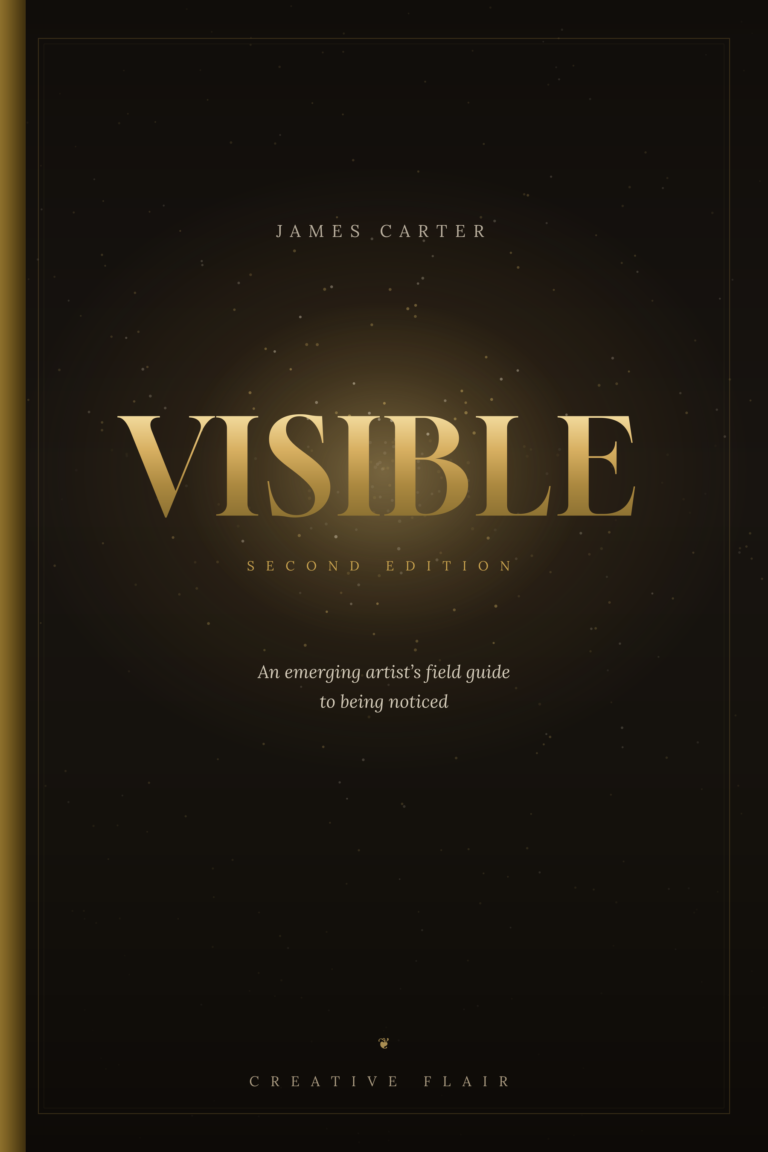
If you want the full system for getting seen and sold on your own terms, that is exactly what my book VISIBLE maps out, step by step.
It is easy to believe the market has no room for you. The data says otherwise. The room is there, it is growing, and it is at your level. Do not be one of the artists who decided it was hopeless. Be one of the ones who showed up.