
Most artists picture a sale as a gallery wall with a small red dot beside the label. Meanwhile, in a hotel lobby somewhere, forty framed pieces have just been chosen by someone the artist will never meet. Behind a huge amount of that quiet buying sit art consultants, and hardly any emerging artist knows how they work.
That’s a shame, because it’s one of the least glamorous and most reliable routes to paid work in the art world. It doesn’t need a gallery contract. It doesn’t need a famous name. It needs a clear body of work and a professional way of dealing with people.
What art consultants actually do
An art consultant sits between a client and the artwork. The client might be a hotel developer, a law firm, a hospital, an architect or an interior designer. The consultant finds the art, presents options, arranges framing or fabrication, handles shipping and oversees the installation.
The word that matters is intermediary. As art advisor Mallory Shotwell puts it, consultants are typically intermediaries between clients and artwork, and their main job is not to represent artists the way a gallery does. They aren’t building your career. They’re solving a client’s wall problem, and you happen to be the solution.
This is also different from an art advisor, who tends to work with private collectors on long term collections. Consultants lean towards commissioning and placing contemporary work for specific projects, which is why hotels, offices and healthcare buildings keep turning up in their client lists.
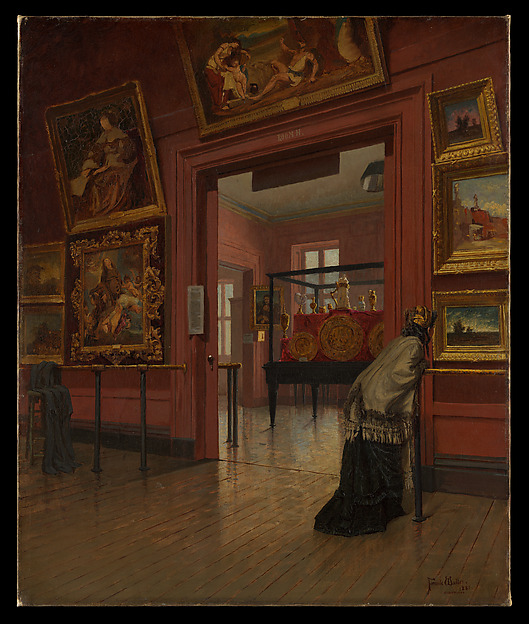
Why hotels and offices buy art this way
Corporate art isn’t a new idea. JPMorganChase says its collection was founded in 1959 as Art At Work by David Rockefeller at Chase Manhattan Bank, with a stated aim of featuring emerging artists and improving the workplace for staff and visitors. You can read more on the JPMorganChase art collection page.
Hospitality is the hungriest buyer of all. A single new hotel can need hundreds of framed works, plus murals, sculpture and pieces built into the architecture. Nobody on a development team has the time to visit hundreds of studios. So they hire a consultant who already knows who can deliver.
And that word, deliver, is the whole game. One consultant guide on hospitality projects says professionalism is often judged as heavily as aesthetics. A lovely painting that arrives three weeks late is worth nothing to a hotel opening on a fixed date.
How art consultants find artists
You don’t need gallery representation. Opportunities tend to come through referrals, LinkedIn, architects, designers and direct portfolio submissions. In other words, through people who have already seen you behave like a professional.
Artwork Archive’s advice for getting on a consultant’s radar is refreshingly practical. Consultants often prefer to source locally, to support their community and cut shipping costs, so make your city or region obvious on your website and social profiles. Keep your recent work front and centre. And be careful with your feed, because as one consultant put it, a photo of the family dog or last night’s dinner can distract from the work.
What they say they value is fairly consistent:
- A cohesive style that shows a defined identity
- Clean, accurate, professional images of your work
- A short artist statement of one or two paragraphs with your career milestones
- Proof that you can execute, meaning the process from start to finished piece, not only sketches
- Replies within a day or two
That last one sounds trivial. It isn’t. A consultant juggling a dozen artists for one project will quietly drop the person who takes a week to answer an email.
A recognisable body of work is far easier to place. Our piece on Ruth Asawa’s wire sculptures shows how a distinctive, consistent language makes an artist easy to remember, which is exactly what a busy consultant needs.
How art consultants get paid, and what to charge
Here’s where artists get nervous, and where a bit of arithmetic saves a lot of grief. There is no single official rate. In an Art Biz Success discussion among artists and consultants, a 50/50 split was described as fairly standard, while some artists negotiated 60/40 or 70/30 in their favour. Others offered consultants a discount of 10 to 30 per cent rather than a full wholesale rate, especially when the consultant also charges the client a separate fee.
Whichever route you take, the rule is the same: keep your retail prices consistent. If a consultant sells your painting for one price and your gallery, or your own shop, sells it for another, somebody gets undercut and somebody stops trusting you. Work out the figure that leaves you properly paid after the consultant’s share, then price from there.
Budgets on big projects also stretch across framing, fabrication, shipping, installation and consulting fees, not only the artist’s fee. Consultants often negotiate project discounts when a client buys many pieces, so it helps to decide your lowest acceptable price before the phone call, not during it.
What to ask before you say yes
A consultant relationship is transactional, and that’s fine as long as you go in with your eyes open. Shotwell points out that consultants rarely offer long term representation, and that client confidentiality can mean a sale brings income without any public recognition.
So ask the boring questions early. Who is the client and what is the scope? Who pays for fabrication and shipping? What’s the payment schedule, and how many rounds of revisions are included? Will you be credited publicly?
The most important one is rights. If a project involves reproducing your work, as wallpaper, textiles or prints for every room, the contract should say who owns the copyright, whether the use is exclusive, how long it lasts, and what extra you’re paid for each new use. Our digital art licensing guide covers the basics of how that works.
Be careful with anyone who asks you to pay upfront to be represented. Guidance for artists warns that companies are increasingly targeting the art market to turn a quick profit, and advises you to ask for references and to check a consultant’s experience before you sign anything. A genuine consultant earns from the sale or the client, not from your hope.
A simple way to start
You don’t need to overhaul your career. Tidy your website so the best recent work leads. Write a two paragraph statement. Photograph everything properly. Then look up consultants in your own region, read what projects they’ve done, and send a short, polite email with a link and three or four images that suit the kind of spaces they work with.
Expect silence more often than not. Consultants tend to work from people they’ve already bookmarked, so the goal is to be findable and easy to work with when the right project appears. One good placement often leads to another, because consultants share names when a client needs something similar.
It’s not the romantic version of an art career. But a hotel wall doesn’t care how you got there, and the invoice clears just the same. If you want a sense of how else artists can build income around their work, our look at art income diversification is a good next read.
For a broader view of how consultants think, the Artsy Shark guide to working with art consultants is worth a look.
You do not have to wait to be found.
VISIBLE covers the part nobody teaches: how galleries, open calls, pricing, audience and money actually work, and what to do about each one. 234 pages, with twelve worksheets you fill in and use.
- 590+ artists have a copy
- Instant download, PDF and workbook
Usually




Responses