 Skip to content

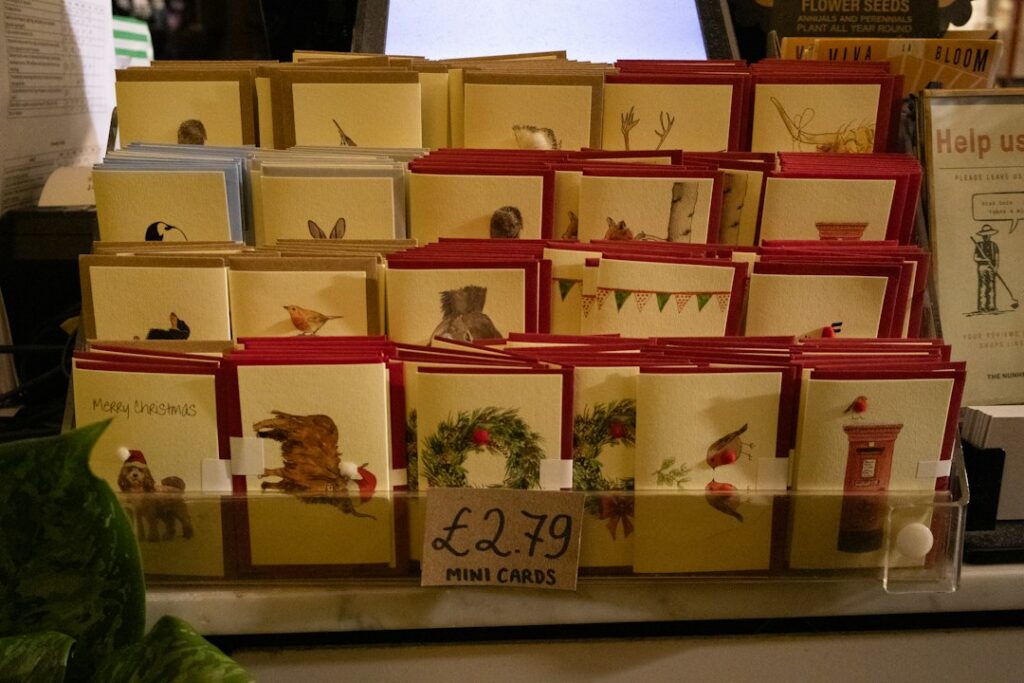
Companies will pay to put your art on their products, and most artists never even offer. That is the uncomfortable truth I keep coming back to. We spend years trying to sell originals one at a time, chasing galleries and open calls, while there is a whole other way of being paid for the work we have already made. It is called art licensing, and for most painters it sits completely unexplored.
I first talked about this in a video on Instagram, and it deserves a fuller explanation than a short reel allows. So here it is: what licensing is, how the money works, what kind of art suits it, how to get your first deal, and how to protect yourself along the way.
What is art licensing?
Licensing is simpler than it sounds. A company, perhaps a greeting card brand, a homeware shop, a fabric company or a stationery company, pays you for permission to use your artwork on their products. They print it, they make the product, they sell it, and you are paid a cut of every sale while you carry on painting.
The important word there is permission. You are not selling the painting, and you are not selling the image outright. You are lending the right to use it, for a particular purpose, to a business that already has the factories, the shops and the customers. That is what makes licensing so different from selling originals. You can get paid for your art again and again, without selling a single original, and without making or posting a single extra thing.
Think of it this way. Your original sells once, to one person. A design on a card, a cushion or a notebook can reach far more people than a single canvas ever could, and you keep the original.
How do artists get paid for licensing?
There are two common ways the money arrives.
The first is a royalty. This is a percentage of each sale. Every time someone buys the mug or the tea towel with your design on it, a small share comes back to you. Royalties reward you when a design keeps selling, which is why one popular design on the right product can pay you for years.
The second is a flat fee. Here the company pays you a fixed amount up front for the right to use the image, whatever happens to sales afterwards. Sometimes you will be offered a mix of the two, an advance followed by royalties.
Neither is automatically better. A flat fee gives you certainty and money now. A royalty gives you a stake in the product doing well. When you are weighing an offer, ask yourself a few plain questions:
- How long does the company get to use my image?
- On which products, and in which countries?
- Is it a royalty, a flat fee or both, and when will I be paid?
- Will I be able to see sales figures if it is a royalty?
If you cannot answer those from the agreement in front of you, ask the company before you sign. A good partner will be happy to explain.
What kind of art sells well for licensing?
This is where you need to look at your own work with fresh eyes. Lay out your paintings, or scroll through your photos of them, and for each piece ask: would this look good on a card, a cushion, a notebook, a tea towel?
Art with a clear style and a bit of joy licenses best. Companies want images that customers will recognise, pick up and want to live with. That does not mean you need to change what you paint. It means noticing which parts of your practice already lend themselves to products.
A few practical things to check as you go through your work:
- Consistency. A group of pieces that clearly belong together is easier for a company to picture as a product range than one random image.
- Clarity at small sizes. A greeting card is small. Does the image still read when you shrink it down on your phone?
- Cropping. Products come in odd shapes. Could your image be cropped to a square cushion or a long tea towel and still work?
- Image quality. You will need good, high resolution photographs or scans of the work. A blurry phone photo taken at an angle will not get you far.
As a figurative oil painter, I know not every painting is suited to a notebook cover, and that is fine. You only need a handful of pieces that are.
How do you get your art licensed?
There are three main routes, and you can use more than one.
Approach companies directly. Start with the brands whose products you already like and already buy. You understand their style, which means you can judge honestly whether your work would sit well in their range. Look on their websites for information about working with artists or submitting designs, and follow whatever process they ask for. Keep your first message short and friendly, include a small selection of your strongest images, and link to the rest.
Work with an art licensing agent. An agent pitches your work to companies on your behalf. They already have the relationships and know which businesses are looking for what. In return they take a share of what you earn, so read their terms carefully and make sure you understand what you are agreeing to before you commit.
Use trade shows. There are even trade shows built entirely for licensing, where artists and agents meet the companies looking for designs. They are a big step for a first attempt, but worth knowing about as you grow.
Whichever route you take, the thing that will make or break you is a tidy portfolio. Before you contact anyone, put together a clean collection of your best licensable work, grouped into small themed sets, with your name and contact details clear. If you already have a website, a dedicated page for this makes life easy for anyone who wants to see more. Make it simple for a busy person to say yes.
If you already sell reproductions of your work, you are halfway there. Licensing builds on the same idea I wrote about in selling art prints: turning one painting into income that keeps coming. The difference is that someone else handles the making and selling.
How do you protect your copyright when licensing art?
This is the part artists rush past, and it is the part that matters most. Two rules will protect you.
First, keep the copyright to your own work. When you license, you are granting a company permission to use the image. You are not handing over ownership. If an agreement asks you to sign away your copyright entirely, stop and think very carefully, and get advice before you go any further.
Second, only license specific uses. A good licence is precise. It says which products, for how long and where. That precision is what lets you license the same image to a card company and, separately, to a fabric company, without the two clashing. It is how your art keeps working for you instead of being locked up by one deal.
Keep a simple record of every image you license, who has it, for what and until when. It sounds dull, but it will save you a great deal of confusion later.
Is art licensing worth it for painters?
I think it is worth trying, for one simple reason. Your originals are one income. Licensing is another one entirely, quietly running in the background while you get on with painting. It does not replace the studio, the exhibitions or the sales of original work. It sits alongside them.
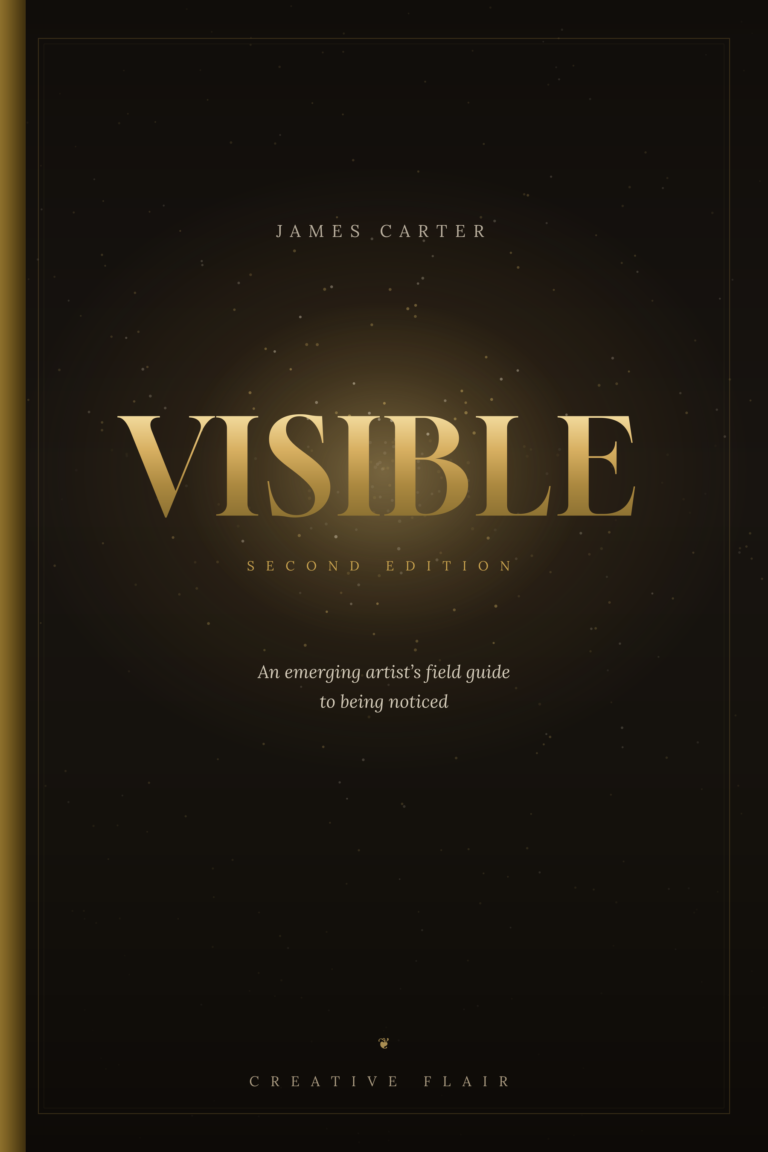
Getting seen by the right people, and earning from your work in more than one way, is a big part of what I cover in my book VISIBLE, if you want the wider system behind it.
Most artists never knock on the door. Pick five pieces that would look good on a product this week, photograph them properly, and find one company whose products you love. Then knock.
You do not have to wait to be found.
VISIBLE covers the part nobody teaches: how galleries, open calls, pricing, audience and money actually work, and what to do about each one. 234 pages, with twelve worksheets you fill in and use.
- Rated 4.9 from 9 reviews
- 640+ artists have a copy
- Instant download, PDF and workbook
Usually

Responses