 Skip to content

There is a foundation that gives painters up to $50,000, and most artists have never heard of it. Not because it is hidden, and not because it is new. It simply never comes up. Nobody mentions it at private views, it rarely appears in the lists of opportunities that get passed around, and so thousands of artists who could apply never do.
It is called the Pollock Krasner Foundation, and if you paint, sculpt or work on paper, it was built with you in mind. I first talked about this in a video on Instagram. Here is the fuller version: what it is, who it is for, what you can spend the money on, and the honest part about who qualifies.
What is the Pollock Krasner Foundation grant?
The foundation was set up in 1985 by the painter Lee Krasner, specifically to put money back into the hands of living artists. That is worth pausing on. This is not a fund created by a bank or a brand looking for good publicity. It was created by an artist, for artists, so that people still making work could keep making it.
Grants go up to $50,000. The size of each award is decided by your individual circumstances, so it is not a fixed sum handed to everyone in the same way. What matters is that serious money is available, and it is available to working artists rather than only to famous names.
Three details make this fund unusual compared with most of the opportunities you will come across:
- There is no deadline. Applications are accepted all year round, so you can apply today.
- There is no application fee. You do not pay anything to be considered.
- It is international. The foundation has funded artists in more than 80 countries, so wherever you are reading this, you are not shut out by where you live.
That combination matters more than people realise. So many opportunities ask you to pay to enter, or only open for a few weeks a year, or only accept artists from one country. This one removes all three of those barriers at once.
Who can apply for a Pollock Krasner grant?
The fund is for painters, sculptors and artists who work on paper, which includes printmakers. If that describes your practice, you are in the right category.
Now here is the honest bit, because I would rather tell you now than waste your afternoon. The foundation wants to see a real exhibition history. As a rough guide, that means around ten exhibitions over the last ten years, at professional galleries, museums or recognised exhibition spaces. If you are a year into your practice, this one is not yours yet, and that is fine.
But I want to speak directly to a particular kind of artist, because I think you are the one most likely to be missing out. If you have been quietly showing your work for a decade while telling yourself you are not a real artist, go and read those criteria again. The group show five years ago, the solo exhibition at a regional space, the open exhibition you were selected for: these add up. A lot of artists qualify for things they have never once applied for, simply because they have never counted.
What can you spend the grant money on?
This is the part that gets me. The money is not limited to a shiny new project. You can spend it on your actual life as an artist, including:
- Making new work
- Materials and supplies
- Studio rent
- Preparing for an exhibition, including getting work framed for a show
- Attending a residency
- Your living expenses
That last one is the quiet revolution. For most artists, the problem is not a lack of ideas. It is that rent, bills and the work you take on to cover them slowly crowd out the studio. A grant that will fund living costs is a grant that buys you time, and time is what most of us are really short of.
The foundation will fund the boring, unglamorous things that are quietly stopping you from making anything. That is exactly why it is worth taking seriously.
How do I know if my exhibition history is strong enough?
Do not guess. Sit down and write it out properly. This is a useful exercise even if you never apply, because you will need this list for galleries, prizes and residencies anyway.
- List every exhibition from the last ten years. Solo shows, group shows, selected open exhibitions, museum shows. Include the venue, the town and the year.
- Be honest about the type of venue. The foundation talks about professional galleries, museums and recognised exhibition spaces. Mark which of your shows fit that description and which were more informal.
- Count them. If you are at or near ten, read the eligibility guidance on pkf.org carefully before you decide you do not qualify. Many artists rule themselves out before they have even looked.
- If you are short, treat the gap as a plan. You now know what to build towards. Every show you add over the next few years moves you closer.
If your exhibition record feels thin because you have been waiting for a gallery to pick you up, it is worth knowing that most artists build their early history through group shows and open calls, not grand solo debuts. Start where you are.
How should I prepare before applying?
Because there is no deadline, there is no reason to rush. That is a gift. Use it to prepare properly rather than throwing something together at midnight.
- Read the foundation’s own pages first. Go to pkf.org and read the eligibility and application guidance in full. It is more generous than most people assume, and it is always better to work from the funder’s own words than from what someone told you.
- Get your images in order. Whatever you submit, your work will be judged largely through photographs. Make sure your images are sharp, well lit and true to the colours of the work.
- Be clear about what the money would change. Because the grant can cover living costs, studio rent and materials, think concretely about what it would allow you to do that you cannot do now. More studio days, a residency, the framing for a show you have been offered.
- Keep your exhibition list up to date. You have already done the hard part if you followed the steps above.
If you want a broader view of how funding works, and how to find other grants that suit where you are right now, I have written a longer guide to artist grants and how to apply for them.
What if I do not qualify yet?
The point still stands, even if this particular fund is a few years away for you. Money like this exists. It has no deadline. And nobody is ever going to come and tell you about it. You have to go and look.
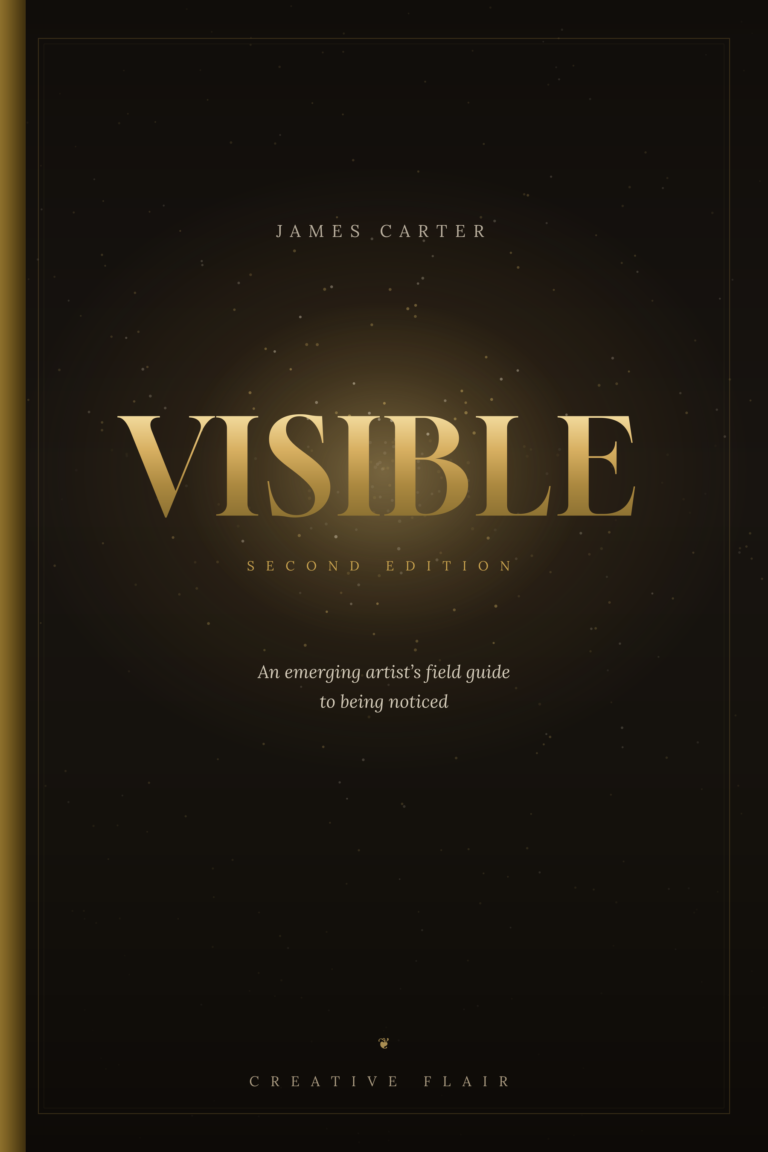
That is the real lesson here. The art world is full of support that most artists never hear about, not because it is secret, but because nobody makes it their job to pass it on. The artists who benefit are the ones who go looking, read the criteria properly and apply. Finding the opportunities that actually exist, and getting your work in front of the people behind them, is a big part of what I cover in my book VISIBLE.
So if you have been exhibiting for years and have never applied for a penny, this is your sign to read the criteria tonight. And if you know a painter who has been quietly showing work for a decade, send this to them. They may qualify for something they never knew was there.
You do not have to wait to be found.
VISIBLE covers the part nobody teaches: how galleries, open calls, pricing, audience and money actually work, and what to do about each one. 234 pages, with twelve worksheets you fill in and use.
- Rated 4.9 from 9 reviews
- 640+ artists have a copy
- Instant download, PDF and workbook
Usually
Responses